
Pet Loss Support
Losing a pet is losing a member of the family. The grief that follows is real, and there is no right way to feel it and no set amount of time it should take. We hope the ideas and resources below help you and your family in the days ahead.
Ways to remember your pet
- Keep the clay paw print and lock of fur where you will see them, or in a shadow box with a favorite photo and collar.
- Make a photo book, or a memory jar where everyone in the family can add a favorite story.
- Plant a tree, a shrub or flowers, or place a memorial stone in the garden.
- Write a letter to your pet. Many people find it helps to say the things they didn’t get to say.
- Add your pet’s star to Stars over the Meadow, our memorial page, with a photo and a few words.
Be gentle with yourself. Grief can show up as tiredness, trouble sleeping, or a wave of sadness at an unexpected moment, like mealtime or the sound of the door.
Someone to talk to
- Pet Parent Grief Line from Agape Pet Services, our cremation partner: 1-844-472-9588. Available 24 hours a day, 7 days a week. Their website, petparentgriefsupport.com, has articles on grief, helping children and seniors, remembering your pet, and caring for the pets still at home.
- Tufts University Pet Loss Support Helpline: 508-839-7966. Monday to Thursday, 6 to 9 PM Eastern, with voicemail at any time.
- Cornell University Pet Loss Support Hotline: 607-218-7457. Hours change through the year, so please call for current times.
The Tufts and Cornell lines are answered by veterinary students trained to listen.
If your grief ever feels like more than you can carry, please call or text 988, the Suicide and Crisis Lifeline, at any time.
Helping children
- Use simple, honest words like “died.” Phrases like “put to sleep” or “went away” can confuse young children or make them afraid of going to sleep.
- Let them see that you are sad too, and that it’s okay to cry or feel angry.
- Answer their questions honestly in a way that fits your family’s beliefs, and let them lead how much they want to talk.
- A small goodbye can help: a drawing, a note to their pet, or choosing a spot in the yard to remember them.
- Wait a while before bringing home a new pet, so it feels like a new friend and not a replacement.
Books for children
These are recommended by the American Academy of Pediatrics.
Toddlers and preschoolers

Bonnie Zucker

Robie H. Harris

Bill Cochran

Charlotte Zolotow

Todd Parr
School age

Judith Viorst

Marjorie Blain Parker
Also recommended: Kate, the Ghost Dog by Wayne L. Wilson and Memories of You by Erainna Winnett.
See the full list for every age, including teens, at HealthyChildren.org.
Two more we love

Patrice Karst

Cynthia Rylant
Book covers from Open Library.
Books for adults

Tracie Barton-Barrett
A gentle guide with stories, journal prompts and self-care ideas for the weeks and months after a loss.

Tracie Barton-Barrett
A novel that follows three families and the pets they love, and how they come together to honor them.

Alan D. Wolfelt, PhD
A short, gentle guide from one of the best-known grief counselors.
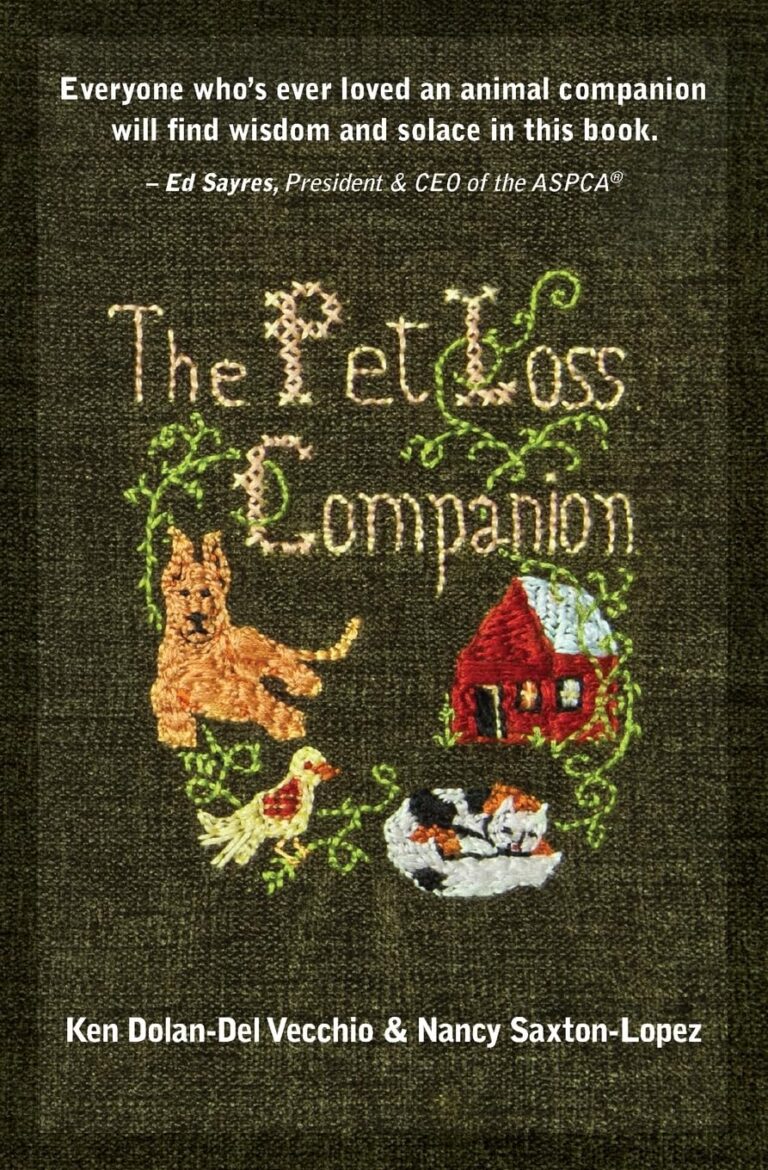
Ken Dolan-Del Vecchio and Nancy Saxton-Lopez
Practical advice from family therapists who lead pet loss support groups.

Judith Eve Rosen, LCSW
A short reading for each day, for teens and adults.

Enid Traisman, MSW
A guided journal with writing prompts, for those who would rather write than read.
The first two are by Tracie Barton-Barrett, a North Carolina counselor who specializes in pet loss.
Helping other pets at home
Other pets often notice the loss too. They may search the house, eat less, or seem clingy or quiet for a while. Keeping their routine steady and giving them a little extra attention helps. If a pet stops eating or seems unwell for more than a day or two, please call your regular veterinarian.